Common Casino Scams and the Simple Clues You Might Overlook
Casinos are built on the promise of fairness, excitement, and big payouts. But not everything is always as it seems. While most gambling establishments run legitimate operations, scams still exist. Some target the casino itself, while others aim directly at players. Knowing how to spot warning signs can protect your wallet and your trust. Scammers often rely on small, unnoticed details. Recognizing those details can be your best defense.
When Dealers Aren’t Dealing Fairly
It’s easy to assume the dealer is neutral. In most cases, they are. But in rare instances, collusion happens. A dishonest dealer may work with a player or manipulate cards through sleight of hand. This isn’t easy to catch, especially when the scammer is skilled. Clues are subtle: unusual hand movements, strange delays, or a player repeatedly winning at a specific table. These red flags often blend into the background unless you’re watching closely. Always be alert to behavior that breaks the flow of a normal game.
Rigged Machines Still Exist

Slot machines are designed to have a house edge. But occasionally, they’re tampered with. An outside party may alter software or use hidden devices to trigger jackpots. Even worse, older or improperly maintained machines might be exploited through physical manipulation. If a machine is frequently “out of order” and then suddenly hits big after someone’s visit, that’s suspicious. To ensure fair play, stick to machines in well-lit areas or high-traffic sections. Avoid those that are tucked away or are constantly opened by staff without explanation.
Too-Good-To-Be-True Chip Tricks
One of the oldest scams involves counterfeit chips. This method is still in play today. Some scammers introduce fake chips, while others bleach lower-value chips to resemble higher denominations. Casinos with tight surveillance usually catch this fast. But not always. Watch for players exchanging large chips with minimal gameplay or frequent cash-outs after small wins. Unusual chip colors or wear patterns can also be a clue. It’s not your job to police the casino, but being aware helps protect you from being drawn into a shady situation.
Collusion Among Players
In poker, two players working together can tip the odds unfairly. They share information, signal hands, and fold strategically to help one of them win. This can be hard to prove, but devastating to legitimate players. Clues include consistent wins by one person, frequent table whispers, or players who always seem to avoid betting against each other. If you see the same people rotating through the same table in sync, something might be off. In these cases, it’s best to report suspicions to a floor manager and change tables.
The Distraction Setup
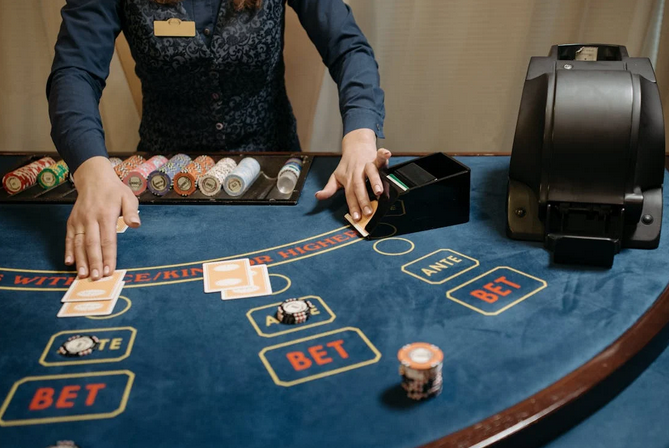
Scammers often work in teams. One person distracts you with conversation or accidental spills, while another interferes with your chips, cards, or cashout slip. This tactic thrives in busy, noisy casinos where small actions go unnoticed. If someone seems overly friendly, blocks your view of your stack, or gets too close without reason, be cautious. Trust your instincts. Distraction is a common precursor to theft. The unique energy of a casino makes it easier for these setups to succeed unless you stay grounded and focused.
Fake Promotions and Shady Apps
In today’s digital age, scams don’t stop at the casino floor. Online promotions, fake apps, or phishing emails posing as casino giveaways are on the rise. You might see an ad offering “free chips” or “guaranteed wins” in exchange for personal details. These are often traps. Only trust official casino websites or licensed gambling apps. If an offer seems too generous, it usually is. Never click links in random texts or emails claiming you’ve won money. Instead, go directly to the casino’s official site to verify promotions.
Casinos are designed to entertain, not deceive. But just like anywhere involving money, bad actors exist. Most scams rely on people overlooking small details. A strange gesture, a distraction, or a too-smooth interaction can all be signals. You don’t need to be paranoid, but you do need to stay aware. Know the rules of the games you play. Stay alert to your surroundings. Trust your gut if something feels off. In doing so, you’ll not only protect your bankroll, you’ll make smarter, more confident choices every time you walk into the casino.